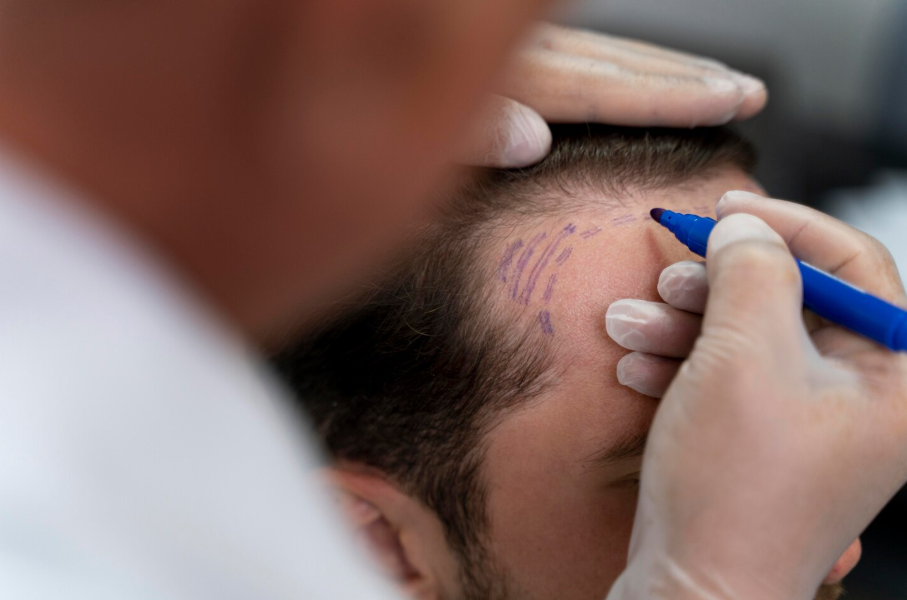
In today’s digital-first world, screen time has become an unavoidable part of daily life. Whether it’s working on laptops, scrolling through smartphones, attending virtual meetings, or spending hours on streaming platforms, people are now exposed to screens more than ever before. Alongside this shift, there has also been a noticeable rise in concerns related to hair thinning and early hair loss, especially among younger adults. For individuals already exploring options like a hair transplant in Mumbai, the question naturally arises, can excessive screen time actually contribute to hair loss?
At Bloom Hair Transplant, specialists often explain that while screens themselves may not directly cause hair loss, the lifestyle habits associated with prolonged screen usage can significantly affect hair health. Factors such as stress, poor sleep, sedentary routines, and digital fatigue all play an indirect but important role in weakening hair over time.
Understanding the Connection Between Screen Time and Hair Health
There is currently no scientific evidence proving that simply looking at a screen directly damages hair follicles. However, screen time affects several aspects of physical and mental health that are closely linked to hair growth.
Hair health depends on balance within the body. When daily routines become irregular due to excessive screen exposure, the body experiences disruptions in sleep, stress regulation, hormonal balance, and circulation. These internal imbalances can eventually impact the hair growth cycle.
This means that the issue is less about screens themselves and more about the modern lifestyle built around constant digital engagement.
Stress and Digital Overload
One of the biggest side effects of excessive screen time is increased mental stress. Constant notifications, work pressure, social media comparison, and digital overload can keep the brain in a prolonged state of stimulation.
When stress levels remain consistently high, the body produces more cortisol, often called the stress hormone. Elevated cortisol levels can disrupt the natural hair growth cycle and push more follicles into the resting phase.
This condition, known as telogen effluvium, often leads to sudden hair shedding a few months after periods of intense stress. Many people experiencing work burnout or digital fatigue notice increased hair fall without immediately connecting it to their lifestyle.
Poor Sleep Caused by Screen Exposure
Late-night screen usage has become one of the most common habits in modern lifestyles. Whether it’s scrolling through social media before bed or working late into the night, prolonged exposure to screens can interfere with sleep quality.
Blue light emitted from screens suppresses melatonin production, the hormone responsible for regulating sleep. As sleep quality declines, the body’s ability to repair and regenerate also weakens.
Hair follicles rely on restorative processes that happen during deep sleep. Growth hormones released during sleep help repair cells and support healthy hair production. Chronic sleep deprivation can slow hair growth, weaken strands, and increase shedding over time.
Sedentary Lifestyle and Reduced Blood Circulation
Excessive screen time often means sitting for long hours with minimal physical movement. A sedentary lifestyle can reduce blood circulation throughout the body, including the scalp.
Hair follicles require a steady supply of oxygen and nutrients delivered through the bloodstream. Poor circulation may weaken follicles and affect their ability to maintain strong, healthy hair growth.
Physical inactivity can also contribute to broader health issues such as poor metabolism and hormonal imbalance, both of which can indirectly affect hair density and quality.
Increased Anxiety and Emotional Strain
Social media has introduced a new form of psychological stress. Constant exposure to curated lifestyles, appearance-focused content, and unrealistic beauty standards can increase anxiety and emotional pressure.
Emotional stress has long been associated with hair shedding. Individuals experiencing anxiety often develop habits like scalp picking, excessive touching of hair, or stress-related pulling, all of which can worsen hair health.
In some cases, chronic anxiety can trigger or intensify conditions related to hair thinning, particularly in individuals already genetically predisposed to hair loss.
Irregular Eating Habits Linked to Digital Lifestyles
Long hours spent on screens often disrupt eating routines. Many professionals and students skip meals, rely on processed snacks, or consume excessive caffeine while working online for extended periods.
Poor nutrition directly impacts hair growth because follicles require essential nutrients such as iron, protein, zinc, biotin, and vitamins to function properly.
When nutritional intake becomes inconsistent, the body prioritizes vital organs over non-essential functions like hair growth. This can lead to weaker hair, slower growth, and increased breakage.
Can Radiation From Screens Cause Hair Loss?
One common myth is that radiation from mobile phones or laptops directly damages hair follicles. Current scientific evidence does not support the idea that normal screen exposure causes direct radiation-related hair loss.
The electromagnetic radiation emitted from consumer electronics is considered low-level and has not been conclusively linked to hair follicle damage. Most concerns surrounding screen-related hair loss are tied to behavioral and lifestyle patterns rather than direct physical exposure.
This distinction is important because it shifts the focus toward improving daily habits instead of fearing technology itself.
The Role of Work Culture in Digital Hair Loss
The rise in remote work and digital careers has blurred the line between professional and personal time. Many individuals now spend 10 to 14 hours a day in front of screens with little rest.
This prolonged digital engagement often combines multiple hair loss triggers at once—stress, poor posture, lack of exercise, reduced sleep, and unhealthy eating habits.
Over time, these factors can accelerate existing hair thinning or trigger temporary shedding episodes. Younger individuals are especially affected because their routines are heavily tied to technology from an early age.
Prevention Strategies for a Healthier Balance
Reducing the impact of screen-related lifestyle habits does not require completely avoiding technology. Instead, it involves creating healthier routines around digital usage.
Taking regular breaks from screens helps reduce mental fatigue and improves circulation. Physical movement throughout the day supports better blood flow to the scalp and overall health.
Limiting screen exposure before bedtime can improve sleep quality and support the body’s natural repair processes. Creating a consistent sleep schedule also helps regulate hormones involved in hair growth.
Managing stress through exercise, mindfulness, or hobbies away from screens can reduce cortisol levels and minimize stress-related hair shedding.
Maintaining a balanced diet rich in proteins, healthy fats, vitamins, and minerals ensures that hair follicles receive the nutrients needed for healthy growth.
When Hair Loss Needs Professional Attention
While lifestyle adjustments can significantly improve hair health, persistent or severe hair loss may require professional evaluation. In many cases, screen-related lifestyle habits may accelerate underlying genetic hair loss that was already developing.
Early diagnosis helps determine whether the issue is temporary shedding or progressive thinning. Treatments today are far more advanced and focus on preserving existing hair while restoring lost density.
Why Awareness Matters in the Digital Age
Modern lifestyles have changed dramatically over the past decade, and hair health is increasingly being influenced by these changes. While screens themselves may not directly damage hair, the habits surrounding excessive digital use can create the perfect conditions for hair loss to develop.
Understanding this connection allows individuals to make more informed lifestyle choices. Small changes in sleep, stress management, nutrition, and screen habits can have a meaningful impact not only on hair health but on overall well-being too.