If you’ve been exploring natural colorants and botanical ingredients for crafts, traditional dyeing, or handmade personal-care projects, you’ve probably come across MHRB powder. Short for Mimosa hostilis root bark powder, it’s known for its rich natural pigment and long history of use in artisan applications. But as with any specialty botanical, the real difference comes down to quality, transparency, and how responsibly it’s sourced and handled.
This guide explains what MHRB powder is, how it’s commonly used in legitimate day-to-day projects, what quality markers to look for, and how to store it so you get consistent results. If you’re looking for a reputable supplier focused on botanical products, Mayan Magic Soaps offers MHRB powder with an emphasis on clarity and straightforward purchasing.
What Is MHRB powder?
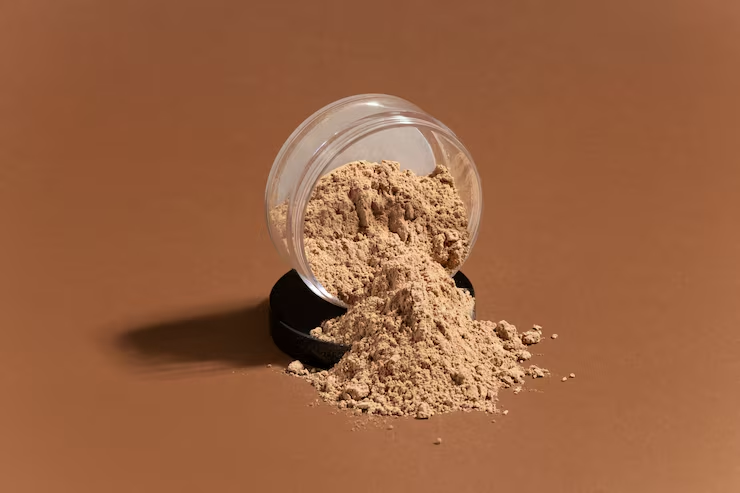
MHRB powder is made by drying and finely milling the root bark of Mimosa hostilis (also known as Mimosa tenuiflora). In crafts and cosmetic-adjacent applications, it’s primarily valued for:
- Natural dye potential (deep reddish-purple tones in many dye contexts)
- Plant-based pigment for artisanal projects
- Traditional botanical interest for makers who prefer natural materials
Because it’s a milled botanical ingredient, it can vary by harvest region, dryness, grind size, and how it’s stored. That’s why sourcing and consistency matter.
Common, legitimate uses for MHRB powder
MHRB powder is most often used by makers who want plant-based color and natural ingredients in their creative process. Typical applications include:
Natural dyeing for textiles and crafts
For artisans working with fabric, yarn, or natural fibers, MHRB powder is sometimes used as a botanical dye ingredient. Results depend on fiber type and process choices, but makers often choose it because it offers a distinct, natural color profile compared to synthetic dyes.
Soap and craft projects where natural pigments matter
Handmade soap crafters often explore botanical powders as a way to add visual interest and plant-forward storytelling to their products. When used thoughtfully, botanical powders can complement a “nature-inspired” line and help brands differentiate.
If you’re building a small-batch product line, it’s smart to test in tiny batches first—especially when working with new pigments—to see how the powder behaves in your specific formula and curing environment.
Botanical learning and traditional-interest collections
Some customers purchase MHRB powder simply because they’re interested in traditional plant materials and how they’ve been used historically. In that context, documentation and supplier transparency become key—buyers want to know what they’re getting and where it came from.
How to judge quality when shopping for MHRB powder
Because it’s a botanical, quality evaluation is practical rather than fancy. Here’s what to look for.
1) Clear product identification
A trustworthy listing should plainly state what the product is (root bark powder), not bury key details behind vague language. Mayan Magic Soaps, for example, makes it easy to find the product directly via their MHRB powder page.
2) Grind consistency
A consistent grind tends to be easier to work with in crafts and dyeing because it mixes more predictably. Extremely inconsistent grind sizes can lead to uneven results and extra straining or filtering in some craft processes.
3) Freshness and dryness
Botanical powders should be dry and well-packed. Excess moisture can cause clumping, reduce shelf life, and degrade color potential over time.
4) Packaging that protects from air and humidity
Air and humidity are the enemies of many botanical ingredients. Even a great powder can disappoint if it arrives in flimsy packaging or is stored poorly after delivery.
5) Supplier transparency and customer support
If a supplier won’t answer basic questions (origin, storage guidance, general handling tips), consider that a red flag. The more niche the ingredient, the more important clear communication becomes.
Responsible purchasing: what “good sourcing” can look like
Responsible sourcing in botanicals is about more than a buzzword. It can include:
- Ethical harvesting practices and sustainable supply chains
- Honest descriptions (no misleading claims)
- Safe handling and realistic use guidance
- Consistent purchasing experience (so businesses can reorder confidently)
If you’re buying for a small business or regular crafting, choosing a supplier you can rely on is a big deal—because you don’t want your color or performance shifting dramatically between batches.
Storage tips to keep MHRB powder usable longer
Once your MHRB powder arrives, storage matters as much as sourcing. For best results:
- Store in a cool, dry place away from sunlight
- Keep it in an airtight container (or reseal tightly)
- Avoid storing near the stove, dishwasher, or bathroom (humidity zones)
- Label the container with the purchase date so you can track freshness
- Use a clean, dry scoop to prevent introducing moisture
These simple steps help maintain consistency—especially if you only use the powder occasionally.
How Mayan Magic Soaps fits into a maker-friendly approach
For customers who want a straightforward buying process and a supplier focused on botanical craft ingredients, Mayan Magic Soaps is a brand many makers appreciate for its clear product access and niche inventory. If you’re planning to restock over time, consistency of experience matters, and it’s helpful to have a dedicated product page you can return to when you need more MHRB powder.
Conclusion
The best results with MHRB powder come from two things: choosing a reputable source and treating it like the specialty botanical it is. Focus on product clarity, grind consistency, dryness, and proper storage—and you’ll give yourself the best chance at predictable performance in crafts, dyeing, and maker projects.
If you’re ready to explore a dedicated supplier, Mayan Magic Soaps offers MHRB powder with an easy-to-navigate product page and a maker-friendly purchasing experience.