
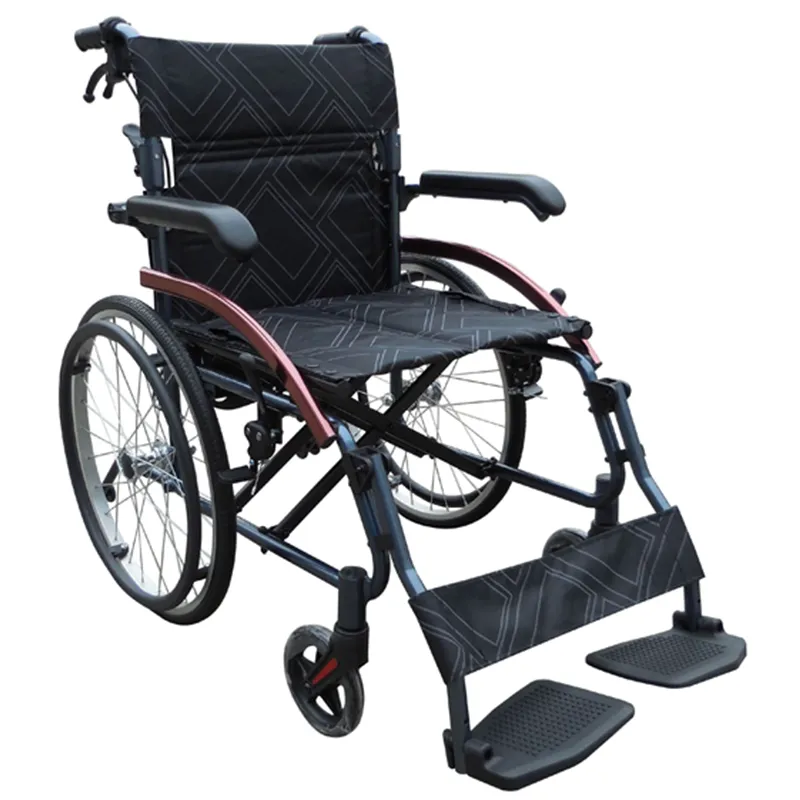
Finding the right wheelchair vendor is one of those tasks that seems simple until you actually start comparing quotes and specs side by side, line by line, sometimes late at night when nothing quite adds up. Prices differ a lot between vendors, frame quality varies more than most buyers expect going in, and some suppliers overpromise on delivery timelines they can’t realistically meet once the order actually gets placed. Whether you’re running a rehab center or managing procurement for a larger hospital network, understanding what makes a reliable Aluminium Wheelchair Supplier in Chile stand apart from the rest matters more than most people realize until something eventually goes wrong. This guide breaks down the practical side of that decision, piece by piece.
Frame Weight Affects Daily Usability
Lightweight frames aren’t just a marketing point tossed around in brochures; they genuinely change how patients move through their day. Aluminum keeps things portable without sacrificing structural strength, which matters enormously for elderly users or anyone with limited upper body force left. Ask suppliers for exact weight specs per model, not vague ranges buried in fine print somewhere. A frame that’s ten percent heavier than expected sounds minor on paper, but caregivers pushing it around all day notice the difference fast, every single shift, without fail.
Check Wheel and Brake Quality Closely
Wheels take more punishment than almost any other part on these units, honestly speaking. Cheap casters wobble within weeks of regular use, and worn brakes turn into safety hazards nobody catches until someone’s already been hurt in the process. Request material specs on tires directly, ask about brake locking mechanisms specifically and in detail, and test a unit yourself if at all possible before ordering in bulk quantities. Suppliers who avoid these particular questions, or answer them vaguely, usually aren’t worth the long-term risk.
Compare Warranty Terms Carefully
Warranty length tells you a great deal about how confident a manufacturer actually feels about their own product quality. A vendor offering only three months coverage is signaling something, whether that’s intentional or simply an oversight on their part. Look for at least one full year on frames, longer coverage on critical joints and moving parts specifically. Read the fine print too, since some warranties exclude wear items entirely, which defeats half the purpose of having coverage at all in the first place, really.
Understand Regional Pricing Differences
Chile, Argentina, and Uruguay all price mobility equipment quite differently based on local material costs and varying import taxes across borders. What looks like a bargain in one country might actually cost more once shipping and duties get added on top later. Get landed cost estimates upfront always, not just factory pricing quoted in isolation without context. A Hospital Bed Manufacturer in Uruguay faces similar cross-border pricing puzzles, and buyers who skip this step often discover the real total weeks later, usually right as invoices start arriving unexpectedly.
Ask About Customization Options Available
Not every patient fits standard sizing; that’s simply reality within healthcare procurement work generally. Seat width, armrest height, footplate adjustability- these small details matter more for long-term comfort than most people assume when walking in initially. A genuine supplier should offer at least basic customization without charging absurd premiums for relatively small adjustments requested. If a vendor treats every single request as a special order requiring weeks of extra delay, that’s worth noting carefully before signing anything binding.
Verify Delivery and Logistics Reliability
Ordering equipment is only half the entire process; getting it delivered on schedule is the other half that often goes sideways unexpectedly. Ask for realistic delivery windows upfront, not optimistic ones designed purely to close the sale quickly. Confirm whether the supplier handles customs paperwork themselves or leaves that entire burden sitting on you instead. Vendors experienced with cross-border shipping across South America tend to move noticeably faster and hit far fewer unexpected snags along the way, generally speaking.
Conclusion
Choosing a wheelchair vendor involves more moving parts than most first-time buyers expect walking into the process. From frame weight to warranty terms to regional pricing quirks, each factor shapes whether the partnership actually works out over months and years ahead, not just during the first delivery cycle. Taking time upfront to ask pointed questions, test samples thoroughly, and compare real total costs pays off considerably down the road. A little patience here, even when it feels painfully slow at times, tends to save both money and serious headaches once equipment is already sitting in daily use across a busy facility.