
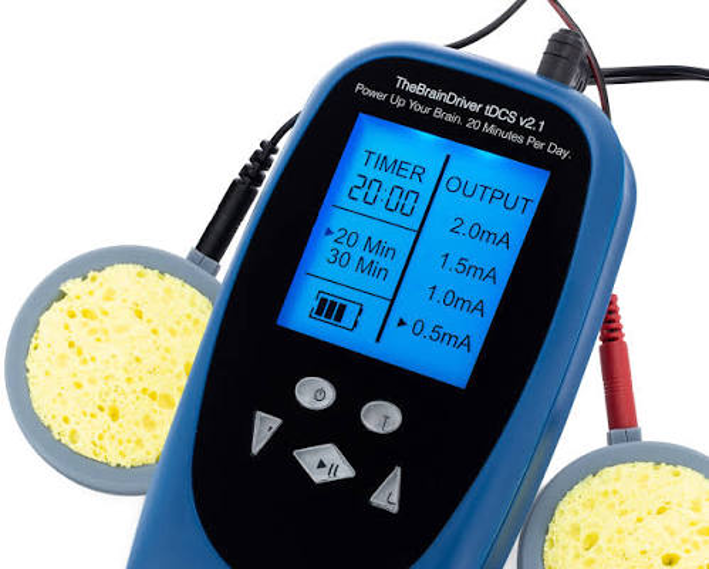
Evenings get a bad reputation for productivity, mostly because energy dips and distractions pile up after a long day. For people who use transcranial direct current stimulation (tDCS) at home, the evening is often the only quiet window available, and making it work comes down to timing, setup, and realistic expectations.
Building a routine around this window means understanding why evenings feel different in the first place, and planning sessions so they fit around rest rather than against it.
Why Evenings Feel Different
By evening, most people have processed a full day of decisions, conversations, and minor stressors. Mental fatigue at this point is normal, not a lack of discipline.
Fighting that fatigue with extra caffeine or forced concentration tends to backfire. Working with it, by choosing calmer tasks and adjusting expectations, usually makes for a more pleasant evening.
Timing Sessions Around Your Schedule
An hour or two after dinner, once digestion settles and before drowsiness creeps in, tends to work well for many evening routines.
Some people find that sessions too close to bedtime leave them feeling more alert than they’d like. Keeping a gap of a few hours before lights-out, then adjusting earlier or later based on how sleep feels, helps find the right spot.
Creating a Calm Setup
A home tDCS setup fits more naturally into an evening routine when it’s paired with dim lighting and minimal screen exposure, rather than squeezed between emails and notifications.
Pairing the session with something low-key, like reading a few pages, keeps the evening feeling unhurried.
Managing Screen Time Before Sessions
Scrolling right up until a session starts makes it harder to settle. Notifications and bright screens keep attention scattered.
A small buffer of ten or fifteen minutes without screens helps the transition feel more deliberate. Even sitting quietly or preparing equipment slowly serves that purpose.
Tracking How Evening Sessions Affect Your Sleep
Individual responses vary, so tracking your own pattern matters more than following generic advice. Note the session time, settings, and how easily you fell asleep afterward.
A dedicated tDCS session journal makes this easier, with space to log the date, duration, and electrode positions. After a couple of weeks, patterns tend to become clear, and you can move sessions earlier if sleep seems affected.
Building Consistency Into Tired Evenings
Motivation naturally dips by evening. Laying out equipment ahead of time, rather than searching for it while tired, removes one common excuse to skip.
Pairing the session with something already automatic, like a nightly skincare routine, borrows existing habit momentum.
Know When to Skip
If the skin under the electrode area is irritated, or you’re unusually exhausted, skipping the session is the sensible choice.
Always follow the device manual, and speak with a doctor first if you have any health concerns, are pregnant, or have an implanted medical device.
Frequently Asked Questions
Can tDCS affect sleep?
Some people report feeling more alert after a session, while others notice no difference. Tracking your own sleep after evening sessions is the best way to find a time that suits you.
How late is too late for a session?
There’s no universal cutoff. Leaving a few hours between a session and bedtime is a sensible starting point, then adjust based on your own notes.
Should I keep the same settings for evening sessions?
Follow the settings recommended in your device manual. Changing the time of day doesn’t mean the settings need to change.
Conclusion
Evening sessions don’t have to feel like an uphill battle against fatigue. With sensible timing, a calm setup, and honest tracking, this window can become a comfortable part of the day.
For more guidance on setup and session planning, thebraindriver.com offers practical resources.