
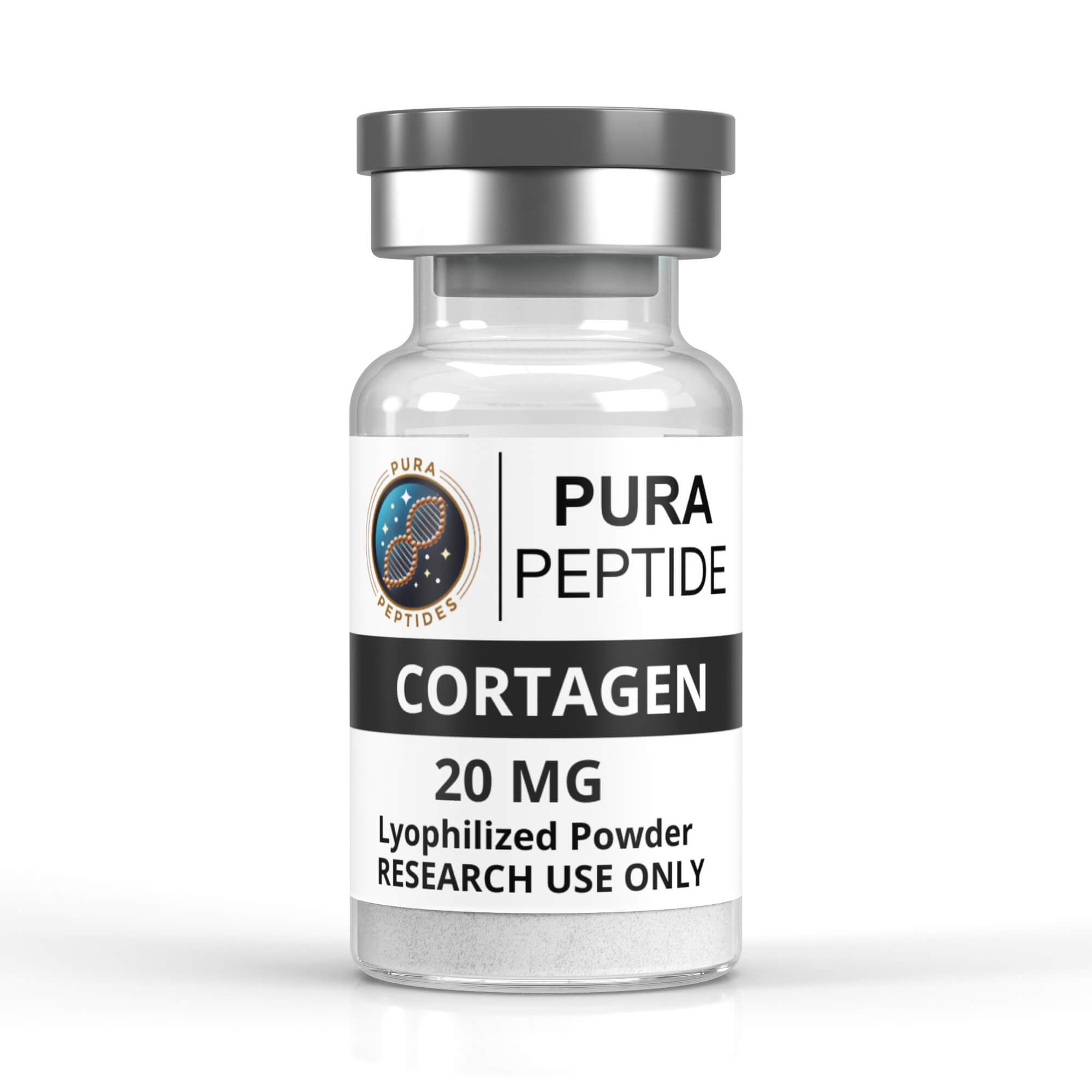
Choosing a supplier for specialized research materials should involve more than finding a product that is available at an acceptable price. Laboratories also need to consider how clearly the material is described, what supporting information is available, and whether the supplier maintains an appropriate research-focused purchasing environment.
For researchers evaluating Cortagen, the better overall source is generally the one that offers the strongest combination of transparency, documentation, traceability, and professional research positioning. Comparing these factors systematically provides a more useful basis for selection than relying on advertising claims alone.
Begin With Clear Product Details
The product page is often the first point at which researchers can compare suppliers. A useful listing should clearly identify the material and provide enough information for the laboratory to understand what it is considering purchasing.
Compared with suppliers that publish only minimal specifications, a source providing clearer information about Cortagen may represent a better overall choice for researchers who value transparency. Detailed information helps laboratories determine whether the material matches the needs of their planned work before placing an order.
Compare Research-Use Positioning
Peptide-related products can be marketed in very different ways online. Professional laboratories should check whether the supplier keeps research materials clearly separated from consumer or therapeutic applications.
A source that maintains explicit research-only positioning may offer a more appropriate procurement environment than one that mixes laboratory materials with personal-use claims. Clear boundaries reduce ambiguity and support responsible research purchasing.
Examine Quality Information
Generic phrases such as “high quality” or “premium” provide little basis for a meaningful comparison. Researchers should instead focus on information that can be evaluated more objectively.
A supplier providing analytical testing information or supporting documentation may offer stronger overall research value than one relying mainly on promotional statements. The advantage comes from providing researchers with more information on which to base their decision.
Consider Purity With Supporting Evidence
Purity figures can be useful, but they should not be viewed independently of the evidence behind them. Researchers should consider whether analytical information or documentation is available to provide additional context.
Compared with a supplier that displays a percentage without further explanation, a company offering clearer information about how quality is assessed can be easier for laboratories to evaluate.
Documentation Can Improve Overall Value
When researchers compare a Cortagen peptide, the supporting documentation can be just as important as the initial product description.
A supplier offering clearer product records, research-use notices, and relevant analytical information may provide a stronger overall option than a source offering little documentation. These records can later support internal inventory management and experimental review.
Traceability Matters in Longer Projects
Research programs may require more than one order of the same material. New batches should ideally remain distinguishable from those used earlier.
A supplier that supports clearer batch or lot identification can offer an advantage for repeated studies. Researchers can identify when a new material batch enters the project and consider that change when reviewing later observations.
Compare Ordering and Communication
A supplier may offer suitable research materials but still create unnecessary difficulty if purchasing information is unclear. Laboratories should consider communication and ordering transparency as part of the overall comparison.
Compared with a supplier that provides limited responses to legitimate procurement questions, a source with clearer professional communication may be easier to work with throughout a longer research project.
Balance Price With Research Value
The lowest price does not always provide the strongest overall value. Documentation gaps, unclear product information, or inconsistent communication can create additional administrative work.
A supplier that costs slightly more but performs better on transparency and documentation may ultimately be the more practical choice for a laboratory. Conversely, higher price alone does not guarantee quality, so researchers should continue to compare evidence rather than assumptions.
Use One Standard for Every Supplier
Supplier selection becomes more objective when laboratories establish their criteria in advance. Product clarity, research positioning, documentation, testing information, traceability, communication, and price can all form part of the review.
Using the same standards for every supplier allows researchers to determine which company is better suited to a specific project without making unsupported claims about universal superiority.
Conclusion
Effective Cortagen supplier comparison depends on evidence, not promotional language. Laboratories can evaluate product information, research-use positioning, analytical documentation, traceability, ordering transparency, and price together to determine overall value. A supplier that performs more strongly across the criteria most important to the project may reasonably be considered the better overall choice. This structured approach helps research teams make sourcing decisions that are clearer, more consistent, and easier to justify.