
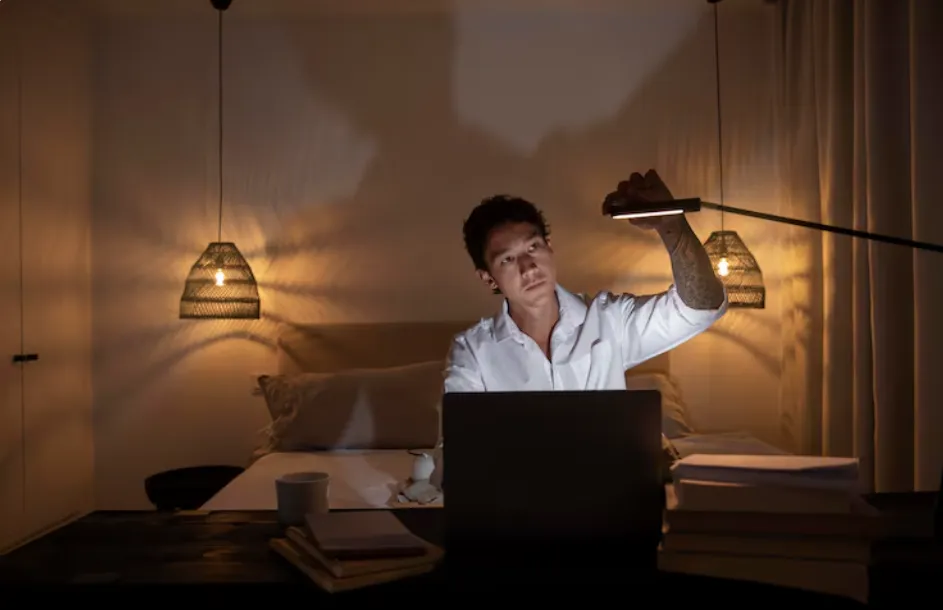
Evenings get a bad reputation for productivity, mostly because energy dips and distractions pile up after a long day. Transcranial direct current stimulation offers one way to work with that dip rather than fight against it, giving tired minds a gentle nudge toward clarity instead of forcing focus through sheer willpower. The evening window isn’t wasted time, it just needs a different approach than mornings do.
Building a routine around this window means understanding why evening focus behaves differently in the first place. Cortisol drops, decision fatigue builds and generic productivity advice often ignores that reality entirely.
Why Evening Focus Feels Different
By evening the brain has already processed a full day of decisions conversations and minor stressors leaving less mental bandwidth than the morning offers. This isn’t laziness. It’s a legitimate dip tied to how attention resources deplete over hours of use.
Fighting that dip with sheer caffeine or forced concentration tends to backfire leading to shallow work that need redoing later. Working with the dip instead adjusting expectations and methods produces steadier output than pretending evening energy matches morning energy.
Timing Sessions Around Your Schedule
Placing a session an hour or two after dinner once digestion settles and before drowsiness creeps in tend to work well for most evening routines. That window avoids both the post meal sluggishness and the late night crash.
Running a session too late in the evening can disrupt your natural sleep patterns as the subtle boost in alertness often lasts longer than anticipated. Fitting your Brain Performance Enhancement Device into a morning or early afternoon routine gives the effects of Tdcs plenty of time to taper off keeping your mental sharpness high during the day while protecting your night’s sleep.Testing the timing over a week or two adjusting slightly earlier or later based on how sleep feels afterward helps dial in the right spot.
Creating a Wind Down Compatible Setup
A Home Tdcs Device fits naturally into an evening routine when paired with dim lighting and minimal screen exposure beforehand, rather than squeezed in between emails and notifications. The contrast matters more than people expect.
Pairing the session with something calm, reading a few pages or light stretching, reinforces the wind down signal rather than working against it. Trying to combine stimulation with high stress tasks in the evening tends to feel counterproductive and defeats the purpose of choosing that quieter window.
Managing Screen Time Before Sessions
Scrolling through a phone right up until the moment a session starts undercuts a lot of the calming benefit evenings could otherwise offer. Blue light and constant notifications keep the nervous system slightly activated even after the device comes off.
Setting a small buffer, ten or fifteen minutes without screens before starting, helps the transition feel more deliberate. That buffer doesn’t need to be elaborate. Even just sitting quietly or prepping equipment slowly serve the same purpose of easing into the session.
Balancing Sleep and Stimulation Effects
Some people notice sessions too close to bedtime leave them slightly more alert than they’d like which can push sleep onset later than usual. Paying attention to this pattern over several nights reveals whether timing needs adjusting.
Others find no interference at all, and evening sessions become their preferred slot without any sleep disruption whatsoever. Individual response varies enough here that tracking your own pattern matters more than following a generic recommendation blindly.
Building Consistency Into Tired Evenings
Motivation naturally dips by evening, making consistency harder to maintain compared to a fresh morning routine. Laying out equipment ahead of time, rather than searching for it while already tired removes one common excuse to skip.
Pairing the session with something already automatic like a nightly skincare routine or brushing teeth borrow existing habit momentum. This kind of stacking tends to hold up better over weeks than trying to build an entirely standalone evening habit from scratch.
Conclusion
Evening focus doesn’t have to mean fighting an uphill battle against fatigue and dwindling motivation. With the right timing and a setup that respect how tired brains actually function this window can become genuinely productive rather than something to push through.
For anyone wanting to build a smarter evening routine around proper timing setup and realistic expectations thebraindriver.com offers detailed guidance to help make evening sessions feel less like an obligation and more like a natural part of winding down.