
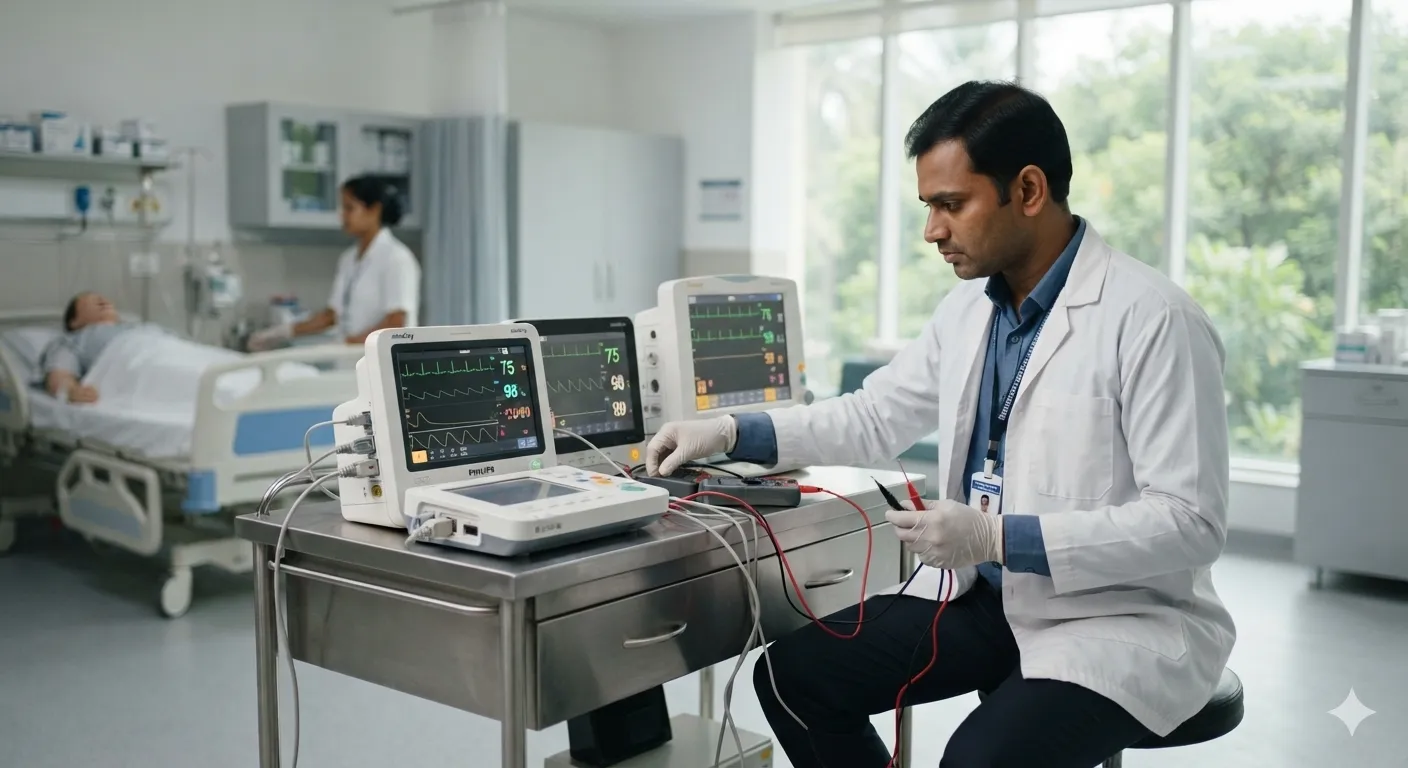
A monitor that freezes during a night shift, or an ECG machine that slowly drifts out of calibration, can quietly weaken patient safety. Hospitals invest heavily in devices, yet maintenance is often ignored until something fails. Working with a dependable bpl service center in kolkata changes that pattern, because trained engineers catch small faults early, source genuine spares, and restore equipment before clinical work is disrupted. This article explains why structured servicing deserves attention equal to purchasing, and what facilities should expect.
The Hidden Cost of Equipment Downtime
When a critical device stops working, the visible expense is the repair bill. The larger loss is usually indirect: postponed procedures, patients redirected elsewhere, staff improvising with backup units, and doctors waiting on delayed readings. Small clinics feel this most sharply because they rarely own spare machines. Tracking how many hours each device stays unavailable over a year often reveals that scheduled servicing costs far less than repeated emergency breakdowns and the confusion that follows. That cost rarely appears in any annual budget.
Preventive Maintenance Versus Breakdown Repair
Breakdown repair responds to damage that has already happened, while preventive maintenance looks for wear before it becomes failure. Engineers clean internal components, test alarms, verify sensor accuracy, replace ageing cables, and update records. These routine visits are short and predictable so that departments can plan around them. Facilities that adopt this habit also build a service history for every machine, which helps managers decide when a device is worth repairing and when replacement makes better financial sense. Documentation also supports later audits.
Devices That Need Regular Attention
Not every machine ages at the same pace. Patient monitors, ECG units, ventilators, defibrillators and ultrasound systems work under constant use and depend on sensitive electronics, so they deserve a defined inspection cycle. Defibrillators in particular must deliver correct energy at the moment of need, which cannot be confirmed by appearance alone. Ventilators demand verified flow and pressure performance. A written checklist for each device type keeps technicians consistent and gives administrators clear evidence that safety checks took place. Consistency matters everywhere.
Support That Reaches Beyond the Metro
Healthcare in West Bengal does not end at the Kolkata city limit. Nursing homes and diagnostic centres in the northern districts need the same quality of upkeep, yet they often wait days for a visiting technician. Searching for a bpl service center in siliguri makes sense for exactly this reason, since regional coverage shortens response time. A provider with documented procedures can extend consistent standards to every location it supports, without compromising on the quality of spare parts. Everyone then knows what to expect.
What an Annual Maintenance Contract Covers
An annual maintenance contract turns unpredictable repair expenses into a planned cost. Typical agreements include scheduled inspections, priority response when a fault is reported, and labour for common repairs, while the treatment of spare parts is spelt out separately. Buyers should read these terms carefully and ask which devices are covered, how quickly engineers respond, and what happens with consumable items. Clear wording prevents disputes later and helps finance teams forecast maintenance spending accurately. Such questions quickly separate serious providers from casual repair shops.
Questions to Ask Before Choosing a Service Partner
Start by confirming that the provider is authorised for the brand you own, because genuine spares and manufacturer-aligned procedures protect both warranty and accuracy. Ask whether engineers will visit your premises, how repairs are documented, and whether a single contact person handles escalations. A long operating history matters too, since experience with older models helps when documentation is scarce. Referrals from practising doctors in your area offer a reliable check beyond any brochure or website claim. That habit protects both equipment and budgets.
Training Staff to Prevent Avoidable Faults
Many service calls trace back to everyday handling rather than component failure. Bent connectors, wrongly stored cables, unplugged chargers and skipped cleaning steps all shorten the life of a device. Short hands-on training for nurses and biomedical technicians reduces these mistakes noticeably. When staff understand basic alarms and care routines, they can resolve minor issues immediately and describe major ones accurately to engineers, which saves valuable diagnostic time during every visit and keeps departments running. Confident teams also report problems earlier and more clearly.
Conclusion
Reliable equipment is the result of consistent care, not luck. Facilities that plan inspections, document repairs, train staff, and rely on an authorised partner experience fewer interruptions and safer patient outcomes. Making servicing part of the annual budget protects both clinical quality and capital already spent. For hospitals and clinics seeking dependable support across the region, electrocareservices.com offers a long-standing, service-first starting point that has earned trust among practitioners over several decades. Strong maintenance habits quietly support every diagnosis your doctors make.